Roots & Shoots in the Classroom: Growing Global Citizens through English
DETAILS: May 23, 2026 / Room 807 / 11:40-12:45
Abstract:
As Dr. Jane Goodall reminds us, “Every individual matters. Every individual has a role to play. Every individual makes a difference.” Inspired by her Roots & Shoots movement, this 2026 Lifelong Learning SIG Forum explores how English education can cultivate empathy, environmental awareness, and a sense of global responsibility across the lifespan of learning. Forum participants will share classroom practices and community projects that embody the Roots & Shoots spirit — fostering compassion for people, respect for animals, and care for the planet through meaningful language use. Together, we will discuss how lifelong learning and language education can nurture hope, agency, and positive action in an age of uncertainty. This session invites all educators to reflect on how we can plant seeds of understanding, connection, and kindness through our teaching — helping learners of all ages grow as thoughtful, engaged global citizens.
Speakers:
Joseph Dias , Catherine Takasugi, and Chiyuki Yanase
__________
Catherine Takasugi
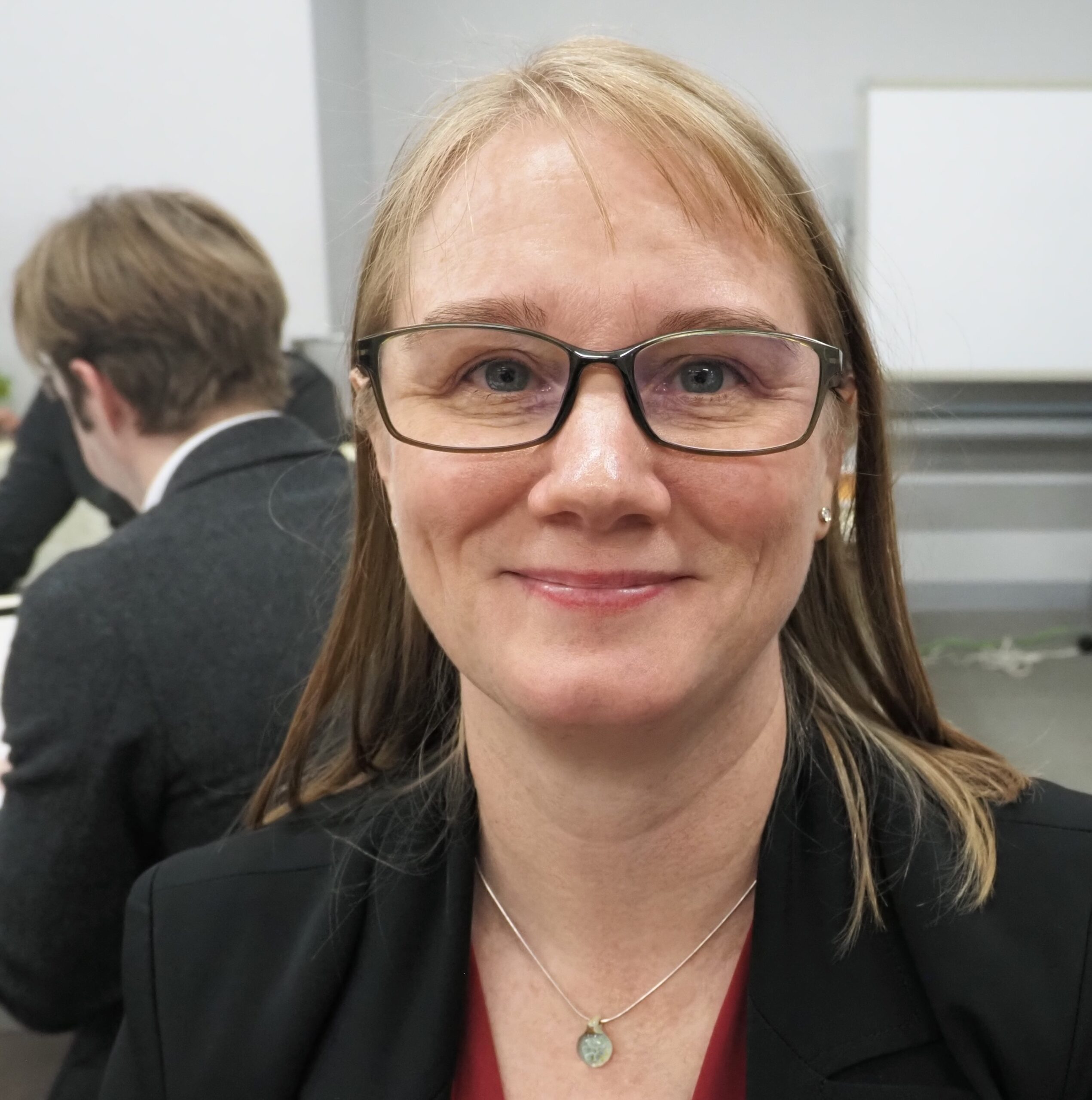
Title: Turning Toward, Reading the Silence, and Holding the Space
Summary:
While studying increasingly complex topics, university students are also navigating steep learning curves as they journey into adulthood. Some students manage the hurdles with ease, while others, for various reasons, do not. What can (or should) teachers do when faced with a suffering student? Inspired by Dr. Jane Goodall, and drawing on examples from recent research and classroom experience, this presentation aims to discuss how every teacher matters, has an important role to play, and has the capacity to make a difference in the lives of their students.
Biography:
Catherine Takasugi holds a Doctorate in Education from the University of Calgary in Canada. She currently teaches at Aoyama University, Waseda University, and Daito Bunka University. Her current research focuses on multicultural families’ experiences of school refusal in Japan. Alternative perspective, creative style, and storytelling characterize her work. In the classroom she actively cultivates a culture of care ensuring that all students feel welcomed, respected, and valued.
_____________
Chiyuki Yanase
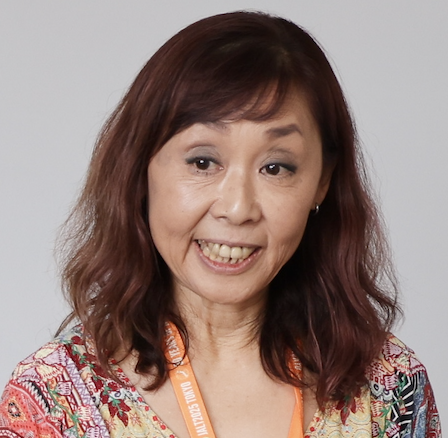
Title: Planting Seeds of Wellbeing: Awareness and Compassion through SDG Learning
Summary:
This presentation explores how SDG-based project learning can promote learner wellbeing while cultivating empathy and compassion toward others and oneself in language education. Grounded in the Sustainable Development Goals, the project encourages students to engage with global and local issues through collaborative and reflective learning. By integrating creative tasks and self-reflection, learners develop emotional awareness alongside language skills. Drawing on examples from Japanese university classrooms, the session demonstrates how SDG projects can create supportive learning environments that nurture self-compassion, resilience, and social responsibility. The presentation highlights practical strategies for balancing academic outcomes with holistic well-being, empowering students to become empathetic and engaged global citizens.
Biography:
Chiyuki Yanase is a lecturer at several universities in the Tokyo area and a facilitator of the Lifelong Learning SIG (LLL SIG) Forum. She is a strong advocate for wellbeing-focused education and is passionate about incorporating creativity and imagination into her language classes to foster learner engagement, empathy, and holistic development.
_________________
Joseph V. Dias
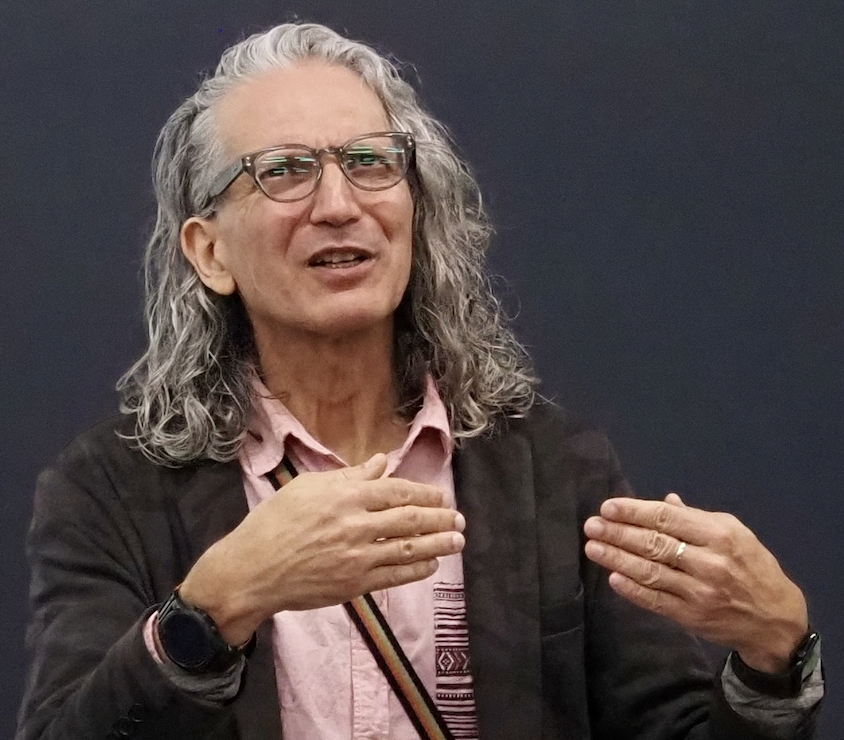
Title: Using existing NGOs as templates for unique student-created NGOs
Summary:
Nongovernmental organizations (NGOs) can serve as models that students use to understand how mission statements and goals can lead to concrete actions that serve social aims in areas such as human rights, the environment, and health. What do [gay] conversion therapy, eating disorders, intimate partner violence, and animal experimentation have in common? They are representative of topics that students have selected for in depth research in a CLIL seminar that will be described in this part of the forum. Initially, students examine a variety of existing NGOs before selecting an issue near and dear to them. They then create research questions and use blogs as vehicles to disseminate their evolving understanding of the issue as they consult, document, and critically analyze authoritative sources. Ultimately, students create and report on their own NGOs that provide creative solutions to address the problems they identified. Examples of NGOs that students have proposed will be showcased.
Biography:
Joseph Dias currently coordinates the Integrated English Program for the English Department at Aoyama Gakuin University and he is the president of JALT’s Lifelong Language Learning SIG.